Quedlinburger Lemon Balm
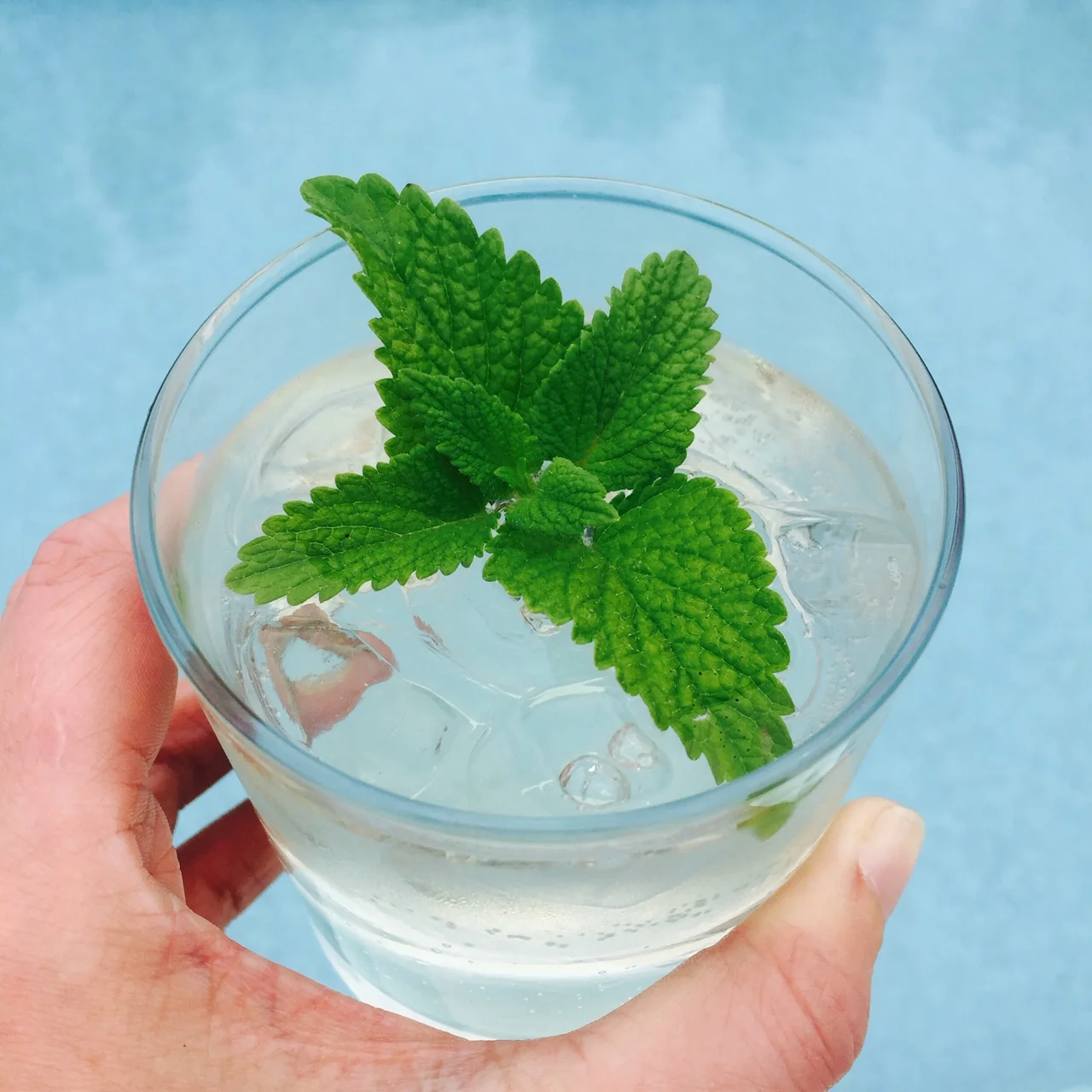
Quedlinburger Lemon Balm
QUEDLINBURGER LEMON BALM SEED
Melissa officinalis 'Quedlinburger'
The most fragrant and behaved of any lemon balm that you can grow from seed, Quedlinburger has a higher essential oil content than the standard M. officinalis, and makes an attractive tidy mound of green leaves that resist flowering well into the summer.
Lemon Balm makes an delicious calming tea. Leaves can be used fresh or dried. Use chilled tea to dilute lemon juice and sugar for an herbal lemonade. Add dried leaves to your preferred black tea or herbal substitute (try betony and strawberry leaves if you haven't already!) for a superlative iced tea. Combine with chamomile, catnip and lavender and brew just before bedtime to soporific effect. Lemon balm is suitable for use with children.
Fresh sprigs of lemon balm make an exquisite garnish, their fragrance being especially appropriate for a Hendrick's G&T. Be sure to muddle a small bunch of leaves in the glass first!
Seeds are best sown indoors around 8 weeks before transplanting outdoors: press seeds into moist well-drained soil, barely covering with additional soil or fine vermiculite. Mist generously and cover with plastic. Kept warm (70°F) and moist in bright light seeds should begin to germinate within two weeks or so. Uncover promptly. Germination once the seeds are uncovered can be erratic without consistent heat and moisture, so mist often and be patient. Prick out seedlings to grow on in individual containers or cells in bright light with good air circulation.
Lemon balm requires full sun and well-drained soil to thrive. The drier the soil, the higher the essential oil content. Do not fertilize lemon balm and water only until plants are established. Keep trimmed to prevent flowering. If not used for tea, cuttings should be sprinkled throughout the Brassica bed to help deter cabbage moths. Lemon Balm is very hardy and will overwinter easily in well-drained soils. Plants will become quite woody with old age and are best replaced after several years.
Drying lemon balm for tea is easy: cut several long stems, bundle, and hang to dry in a well-ventilated dark room, or in a paper bag. When dried completely, crumble leaves gently and place into an airtight container. Use within a year as the delicate fragrance and flavor tends to fade. The fresh or freshly dried leaves also make a useful medicinal tincture.
Packet contains around 500 seeds.